The Importance of Regular Fire Extinguisher Maintenance
June 5, 2026 7:36 pm Leave your thoughtsFire safety is one of the most critical aspects of protecting both lives and property. Whether in a home, office, or industrial setting, having a fire extinguisher on hand can mean the difference between a minor incident and a devastating disaster. However, simply owning a fire extinguisher is not enough. Regular maintenance is essential to ensure that your equipment will function properly when you need it most. Neglecting this responsibility can have serious, even fatal, consequences.
Why Fire Extinguisher Maintenance Cannot Be Ignored
A fire extinguisher that has not been properly maintained is little more than a false sense of security. Over time, the internal components of a fire extinguisher can degrade, lose pressure, or become clogged, rendering the device completely useless in an emergency. Studies and fire safety reports consistently show that a significant number of fire extinguishers fail to operate correctly during actual fire events, and the primary cause is a lack of routine maintenance.
The chemicals inside a fire extinguisher can settle and compact over time, particularly in dry powder models. This means that even if the pressure gauge reads normal, the extinguishing agent may not discharge properly. Regular inspections help identify these issues before they become life-threatening problems. Fire safety professionals recommend monthly visual checks, annual professional inspections, and full hydrostatic testing every five to twelve years depending on the type of unit.
Beyond functionality, maintaining your fire extinguisher also ensures legal compliance. Businesses, schools, and public facilities are required by fire codes and regulations to keep their fire extinguisher equipment in proper working order. Failure to comply can result in heavy fines, increased insurance premiums, and even closure of your business. Regular maintenance is not just a safety measure; it is also a legal obligation for most commercial and institutional settings.
Understanding the Components of a Fire Extinguisher
To appreciate why maintenance matters, it helps to understand how a fire extinguisher works. Every fire extinguisher consists of a pressurized cylinder, a valve assembly, a discharge hose or nozzle, a safety pin, and the extinguishing agent itself. Each of these components plays a vital role in the device’s ability to suppress a fire, and each one is vulnerable to wear, corrosion, or damage over time.
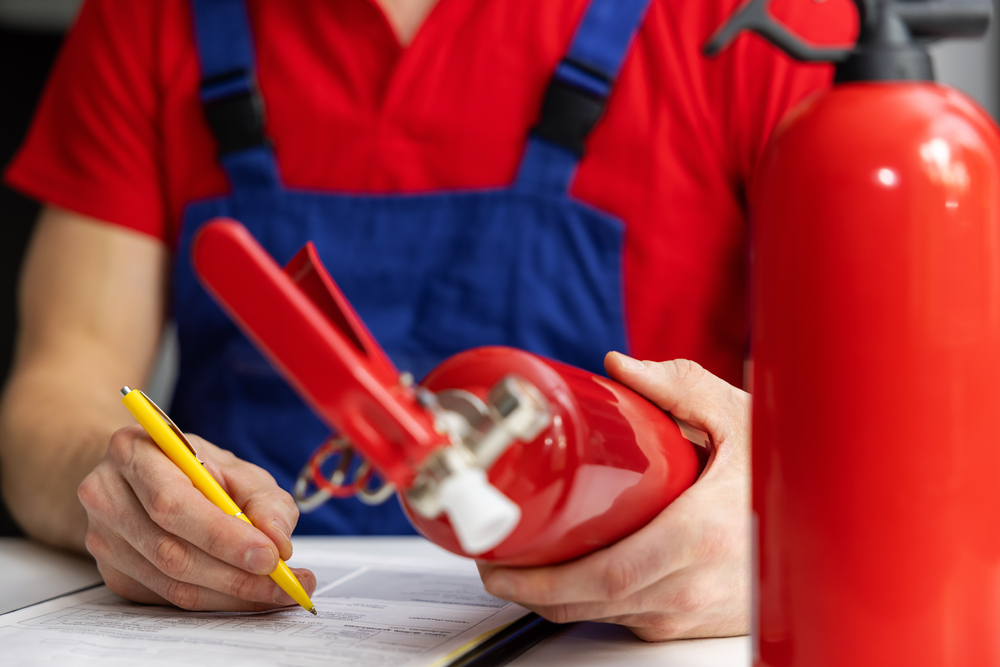
The pressure inside a fire extinguisher is what drives the extinguishing agent out of the cylinder and onto the fire. If the pressure drops too low due to a slow leak or a faulty valve, the fire extinguisher will not discharge with enough force to be effective. Conversely, if the pressure is too high, the cylinder itself could become a safety hazard. A trained technician performing a routine fire extinguisher inspection will check the pressure gauge, examine the valve for signs of corrosion or damage, and ensure the safety pin and tamper seal are intact.
The extinguishing agent is another critical component. Different types of fire extinguishers use different agents, including water, carbon dioxide, dry chemical powder, and wet chemical foam. Each agent has a specific shelf life and must be replaced or recharged at regular intervals. For example, dry chemical agents can absorb moisture over time, reducing their effectiveness, while carbon dioxide units can slowly lose pressure even without any visible damage to the cylinder.
The Risks of a Neglected Fire Extinguisher
The consequences of failing to maintain a fire extinguisher can be severe and far-reaching. In a fire emergency, every second counts. If a person grabs a fire extinguisher only to find that it will not discharge, the fire can spread rapidly, putting everyone in the building at risk. Fires that could have been extinguished in their early stages can grow into full-scale disasters within minutes.
There are also legal and financial risks to consider. Property owners and business operators who fail to maintain their fire extinguisher equipment can be held liable if a fire causes injury or death. Insurance companies may also deny claims if it is determined that proper fire safety maintenance protocols were not followed. The cost of regular fire extinguisher maintenance is a small investment compared to the potential financial devastation of an uncontrolled fire.
Beyond legal liability, there is the human cost to consider. Fires claim thousands of lives every year and cause countless injuries. Many of these tragedies are preventable with proper fire safety practices, including routine fire extinguisher maintenance. By keeping your equipment in good working order, you are doing your part to protect not just your own life and property, but the lives of everyone around you.
How to Establish a Fire Extinguisher Maintenance Routine
Building a reliable fire extinguisher maintenance routine does not have to be complicated. The first step is conducting a monthly visual inspection. During this check, you should verify that the fire extinguisher is in its designated location, that the pressure gauge needle is in the green zone, that the safety pin and tamper seal are intact, and that the exterior of the unit shows no signs of physical damage, corrosion, or leakage. These quick checks take only a few minutes and can catch obvious problems before they escalate.
Annual professional inspections are equally important. A certified fire safety technician will perform a thorough examination of the fire extinguisher, checking all internal and external components. They will also ensure that the unit is properly labeled and that the inspection tag is up to date. In some cases, the technician may recommend recharging the extinguisher or replacing specific components. These annual visits are required by law in many jurisdictions for commercial properties.
For older units or those that have been used, hydrostatic testing is also necessary. This process involves filling the fire extinguisher cylinder with water and pressurizing it to test the structural integrity of the tank. Hydrostatic testing must be performed by a certified testing facility and should be done according to the manufacturer’s guidelines and local fire codes. Cylinders that fail hydrostatic testing must be taken out of service and replaced immediately.
Training is another component of an effective fire extinguisher maintenance program. Knowing how to use a fire extinguisher correctly is just as important as keeping it maintained. All household members, employees, or facility occupants should receive basic fire extinguisher training so they are prepared to act quickly and effectively in an emergency.
Choosing the Right Fire Extinguisher for Your Needs
Not all fire extinguishers are the same, and choosing the right type for your environment is a critical part of fire safety. Fire extinguishers are classified by the types of fires they are designed to combat. Class A units are intended for ordinary combustible materials like wood and paper. Class B units handle flammable liquids such as gasoline and oil. Class C units are designed for electrical fires. Class D units are used for combustible metals, and Class K units are specifically formulated for kitchen grease fires.
Selecting the correct fire extinguisher for your space ensures that you will have the right tool for the most likely type of fire you may face. A multi-purpose fire extinguisher rated for Class A, B, and C fires is a popular choice for homes and offices because it provides broad coverage in a single unit. For commercial kitchens, a Class K fire extinguisher is essential and often required by code.
Once you have selected the appropriate fire extinguisher, placement is just as important. Units should be mounted in visible, easily accessible locations and should never be blocked by furniture, equipment, or other obstacles. Placement near potential fire hazards, such as stoves, electrical panels, and storage areas, is strongly recommended.
Conclusion
Regular fire extinguisher maintenance is a responsibility that no property owner or manager should take lightly. A well-maintained fire extinguisher can save lives, protect property, and ensure legal compliance. By committing to routine inspections, professional servicing, and proper training, you create a safer environment for everyone. Do not wait for an emergency to discover that your fire extinguisher is not up to the task. Take action today, and make fire extinguisher maintenance a permanent part of your safety routine.
Need Fire Protection Systems in Tyler, TX?
Welcome to Anchor Safety Inc.: the premier fire protection system and equipment provider of Longview, TX. Anchor Safety Inc. specializes in consultation, service, sales, and installation for fire protection systems for homes, offices, restaurants, computer server rooms, and document rooms. We carry and service all major brands, including Amerex, Ansul and Kidde. Anchor Safety Inc. is a member of FEDOT and the NAFED, as well as the Longview Chamber of Commerce. In business since 1990 with over 50 years of industry experience under our belts, you can trust in our expertise when it comes to fire safety. Give us a call for a free estimate or consultation for your fire safety.
Categorised in: Fire Extinguishers
This post was written by admin