Kitchen Safety in a Cold Snap: Winter Maintenance for Commercial Hood and Fire Suppression Systems
December 4, 2025 4:17 pm Leave your thoughtsAs temperatures plummet and winter tightens its grip, commercial kitchen operators face a unique set of challenges that go far beyond keeping the staff warm and the soup hot. One of the most overlooked yet critical aspects of cold weather readiness is ensuring the reliability and performance of your kitchen’s fire safety infrastructure. During winter, the risk of failure in key systems like fire suppression hoods and chemical suppression systems increases, often due to environmental factors that are easy to neglect.
Whether you’re operating a bustling restaurant in Tyler or managing a large institutional kitchen, paying close attention to your commercial kitchen fire suppression maintenance during the cold months is vital for both safety and compliance. Cold snaps can compromise everything from your exhaust hood efficiency to the effectiveness of your chemical agents in a fire emergency. That’s why understanding winter-specific risks and maintenance requirements is essential.
Why Cold Weather Threatens Your Kitchen’s Fire Safety Systems
The systems protecting your kitchen from catastrophic fire damage are more vulnerable in winter than most operators realize. This is especially true for setups that rely on chemical suppression technology, such as the widely used Ansul system. These fire suppression systems are engineered to detect high heat, release suppressant chemicals, and extinguish fires before they spread. But what happens when cold temperatures interfere with their delicate mechanisms?
In many buildings, parts of the suppression system are routed through unheated spaces like attics, soffits, or rooftop units. During a cold snap, those components may experience freezing temperatures, which can cause the suppressant chemicals to thicken or even solidify, particularly if the chemical suppression system is not winterized properly. Pipes and nozzles can freeze or crack, and the stored agents may lose their effectiveness, rendering the system inoperative when it’s needed most.
Even the fire suppression hood system check can be compromised if sensors or links are exposed to cold environments. The system may become delayed or fail to activate altogether in the event of a fire, posing a significant risk to your staff, property, and reputation. Therefore, commercial kitchen fire suppression maintenance should be a priority before and during cold weather.
Special Hazard Fire Protection and Chemical Agents: Winter Performance
Commercial kitchens fall into a category known as “special hazard fire protection” zones due to the high risk of grease fires, open flames, and heat-intensive equipment. These areas require targeted solutions that are fast-acting and reliable in diverse conditions. However, when cold weather is introduced into the equation, even well-maintained systems can be compromised if not checked for seasonal resilience.
Chemical suppression systems use agents that are typically stored in pressurized containers. During the winter, pressure fluctuations due to ambient temperature shifts can reduce the system’s ability to release the suppressant properly. Even if the fire is detected, a partial or sluggish discharge could allow the blaze to grow beyond control. Systems like the Ansul R-102 or Piranha are generally robust, but Ansul system maintenance should include a winter-readiness checklist to verify the integrity of chemical agents and pressurization.
In locations like Tyler, where winter weather may not be constant but can be unexpectedly severe, periodic checks become even more essential. The regional fluctuation in temperature can lead to complacency among kitchen operators, but the consequences of neglecting your fire suppression system during cold spells can be severe. A fire that might have been easily extinguished with a functioning chemical system could become a major hazard if the suppressant doesn’t discharge properly due to cold-induced malfunctions.
Performing a Winter Fire Suppression Hood System Check
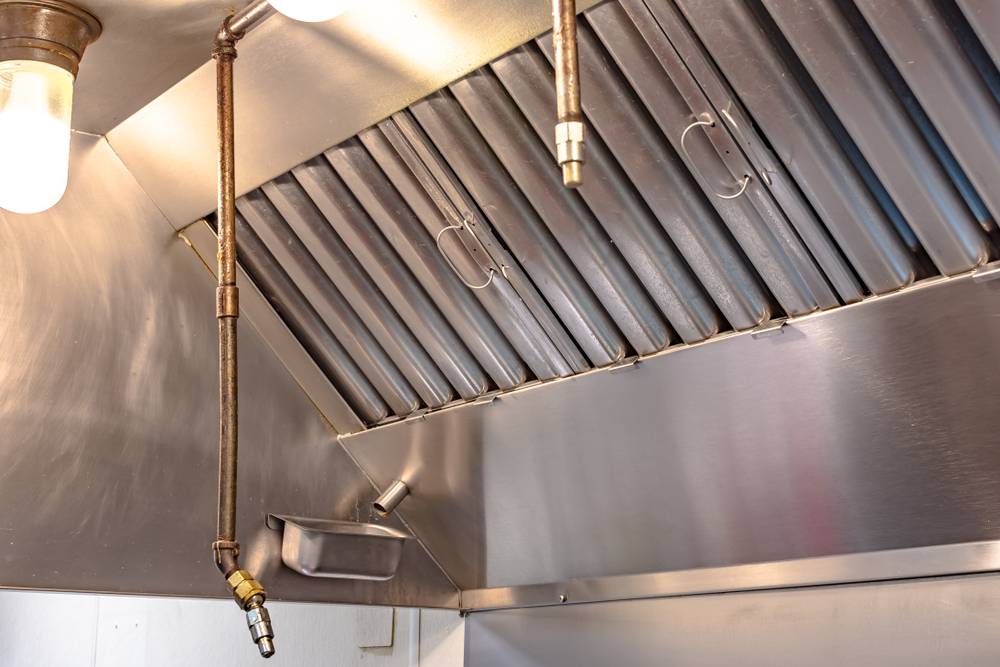
Your kitchen hood is more than just a ventilation component. It’s a central part of your fire suppression setup. The system is designed to detect fires at the cooking surface and trigger suppression agents through strategically placed nozzles. Cold weather, however, can interfere with sensors, link mechanisms, and the general performance of the hood system.
A comprehensive fire suppression hood system check during winter involves more than just cleaning out grease or inspecting filters. The technician should assess the temperature exposure of all system components, especially in areas prone to drafts, leaks, or poor insulation. Thermal stress can cause metal components to contract, affecting calibration and alignment. This can, in turn, delay the release of the suppression agent or interfere with proper spray patterns during activation.
If you haven’t scheduled a winter inspection yet, now is the time. Technicians can perform a cold-weather stress test, check for draft points near system components, and ensure that all pressure levels and sensors are functioning within expected parameters. Remember, commercial kitchen fire suppression maintenance isn’t just a regulatory requirement; it’s a life-saving measure, especially during the harshest months of the year.
Winterizing Your Ansul System: Best Practices
The Ansul system is one of the most trusted names in fire suppression for commercial kitchens, but even the best system requires periodic checks and seasonal maintenance. Winterizing your Ansul setup means verifying that the pressurized cylinders are stored in temperature-stable environments and that delivery lines aren’t exposed to freezing conditions.
Ansul system maintenance in winter should include testing the actuation mechanism and confirming that all pressurized tanks are reading within recommended limits. Lines and nozzles should be flushed or cleaned, especially if your kitchen experiences high grease output. While it may be tempting to delay service until spring, the months of December through February often present the highest risk for malfunction due to fluctuating ambient temperatures.
Technicians should also inspect the fuse links in the system. These links melt at a designated temperature to trigger the suppression response. If the surrounding environment is too cold, or if the link has been compromised due to frost or condensation, the system may not respond in time. Regular inspection, replacement of outdated components, and confirming the freeze-resistance of the suppression agent are all part of a thorough winter service.
Partnering with Experts in Tyler for Commercial Kitchen Safety
If your business is located in Tyler or a similar region that experiences unpredictable winter conditions, partnering with a fire protection service that specializes in special hazard fire protection is crucial. These professionals understand the unique demands placed on kitchen fire suppression systems during cold snaps and are trained to recognize subtle vulnerabilities before they become dangerous.
Look for providers with proven experience in maintaining chemical suppression systems during winter. They should offer comprehensive winter readiness checks, pressure testing, and performance verification of your fire suppression hood system. Local knowledge also matters. A team familiar with the climate patterns in Tyler will be better equipped to anticipate seasonal issues and recommend appropriate insulation, relocation, or protection strategies for vulnerable system components.
Keeping detailed service records, performing timely inspections, and ensuring all staff are trained in emergency protocols can greatly reduce the risk of a catastrophic kitchen fire. Winter is not the time to gamble with safety or assume that your system will perform as expected without intervention. Proper commercial kitchen fire suppression maintenance can save lives and preserve your business in the face of unpredictable winter threats.
Conclusion
When the temperature drops, the stakes in your commercial kitchen rise. Cold weather affects every component of your fire safety infrastructure, from the performance of your chemical suppression system to the reliability of your hood’s activation mechanism. Ansul system maintenance during winter is not optional; it is essential to ensure that your kitchen remains safe, compliant, and operational during a cold snap.
By prioritizing seasonal maintenance and partnering with experienced fire protection professionals, especially in regions like Tyler, you can ensure your special hazard fire protection system continues to work flawlessly even in the most adverse conditions. Don’t let a drop in temperature become the reason for a devastating kitchen fire. Take proactive steps today to winter-proof your fire suppression systems and maintain a safe cooking environment year-round.
Need Fire Protection Systems in Tyler, TX?
Welcome to Anchor Safety Inc.: the premier fire protection system and equipment provider of Longview, TX. Anchor Safety Inc. specializes in consultation, service, sales, and installation for fire protection systems for homes, offices, restaurants, computer server rooms, and document rooms. We carry and service all major brands, including Amerex, Ansul and Kidde. Anchor Safety Inc. is a member of FEDOT and the NAFED, as well as the Longview Chamber of Commerce. In business since 1990 with over 50 years of industry experience under our belts, you can trust in our expertise when it comes to fire safety. Give us a call for a free estimate or consultation for your fire safety.
Categorised in: Fire Suppression Systems
This post was written by admin